What We Do

Services

The full list of concrete work we handle, from flatwork to repairs.

Home › Services

Everything we take on

Every job below is one we do ourselves across Mesquite.

Concrete Driveways

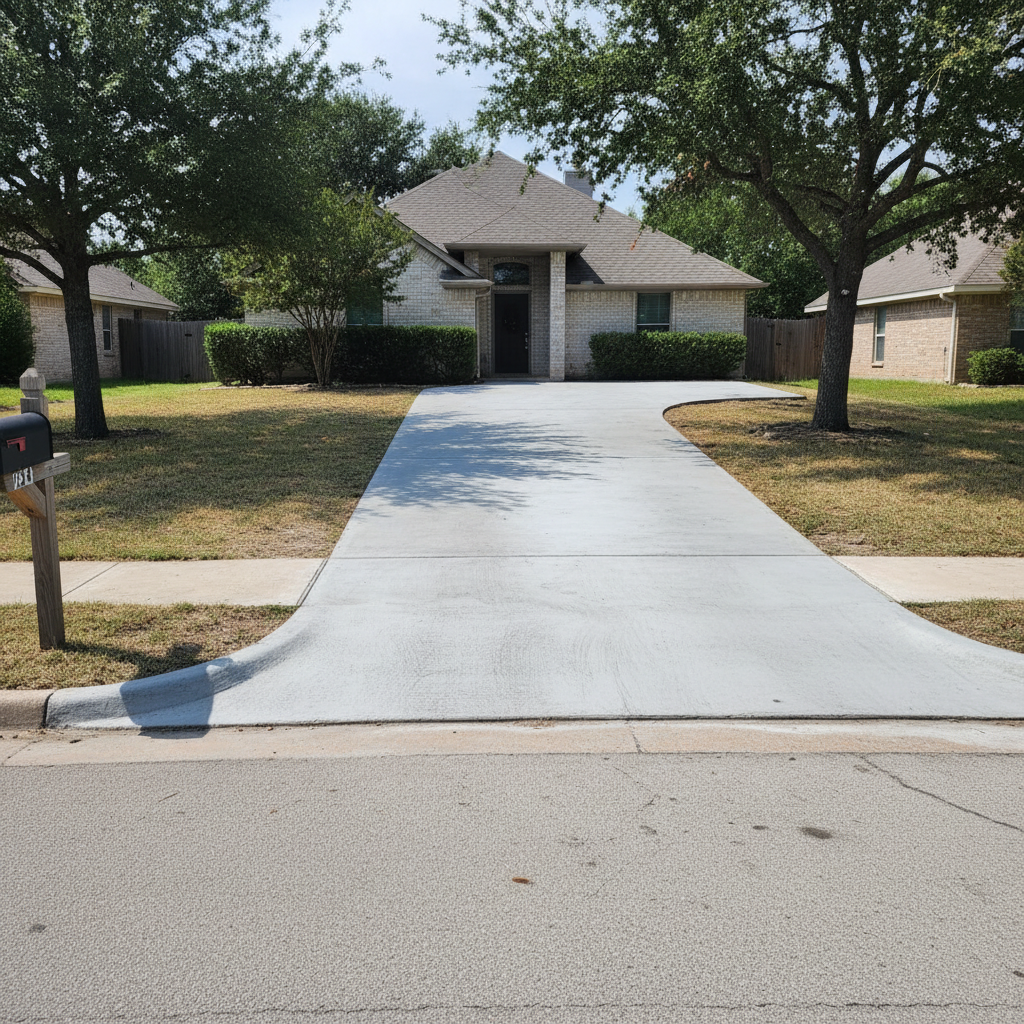
We pour driveways four to six inches thick over a compacted base, with rebar instead of wire mesh where the soil moves the way Mesquite clay does. You can expect seven days before we let you park on it, more if the weather turns cold.

Concrete Patios

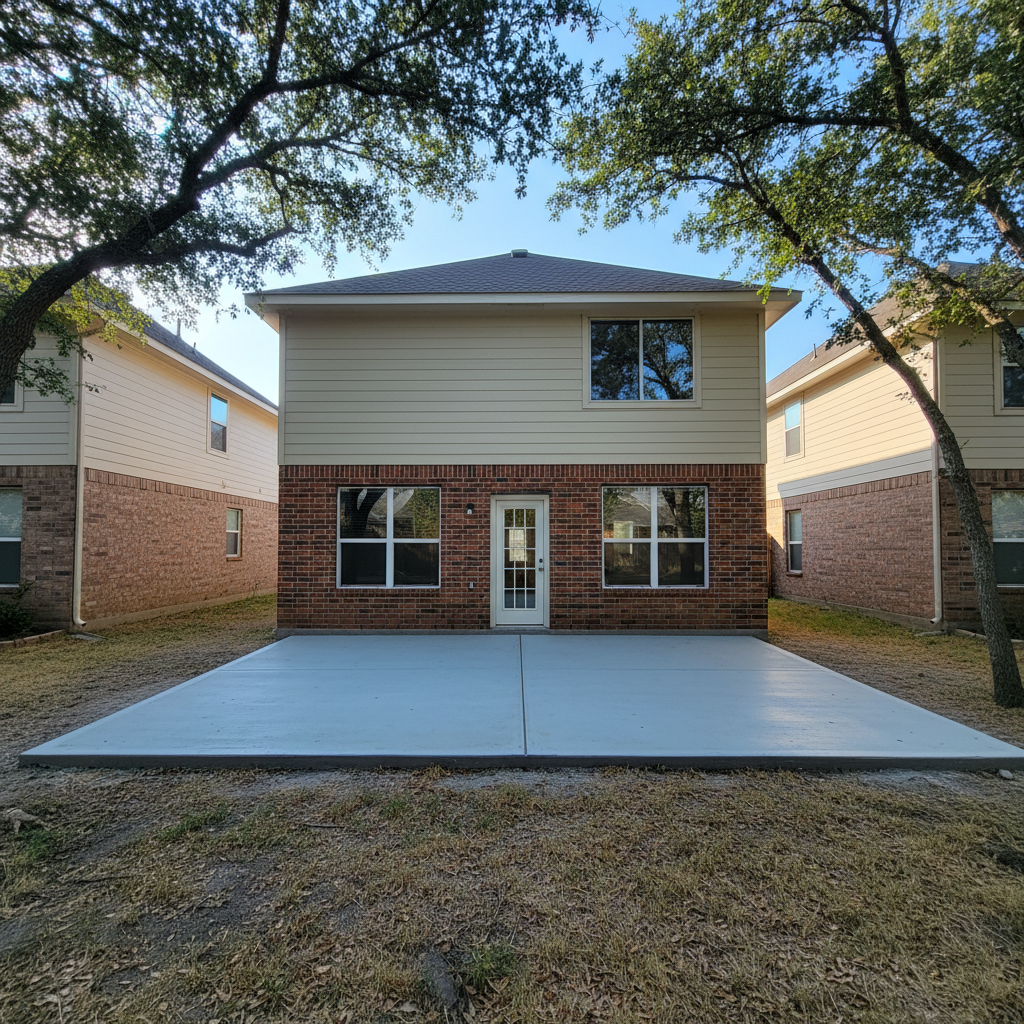
Patios get a broom finish or a stamped pattern, your call, and we slope the pour away from the house so water doesn't pool against the foundation. Most backyard patios cure enough to walk on in two to three days.

Stamped Concrete

We stamp while the slab is still plastic, usually within an hour or two of the finish pass, so the texture holds once it sets up. Color hardener and a release agent go down first, then we seal it to protect the pattern from the sun.

Concrete Slabs

Slabs for sheds, garages and additions get a vapor barrier and a gravel base before any concrete goes down. We set the forms, check for square, and pour a 3000 to 4000 psi mix depending on what's going on top of it.

Concrete Repair

Cracked, sunken or spalling concrete usually means the base underneath failed, not the slab itself. We cut out the bad section, re-prep the base, and tie new rebar into the old slab so the patch doesn't become its own separate piece that moves on its own.

Concrete Sidewalks

City sidewalks and walkways get saw-cut control joints every four to six feet, so the slab decides where to crack instead of cracking wherever it wants. We match the broom finish and slope to tie into existing concrete where it butts up against a driveway or porch.

Concrete Steps & Porches

Steps take a beating from foot traffic and rain, so we reinforce the treads with rebar and pour a non-slip broom finish. We can match the look of an existing porch or build steps from scratch if the old ones are falling apart.

Concrete Leveling & Mudjacking

If a slab has sunk on one side but hasn't cracked badly, we can often raise it back level instead of tearing it out. We pump a cement slurry underneath through small holes, which is a lot cheaper than a full replacement.

Retaining Walls

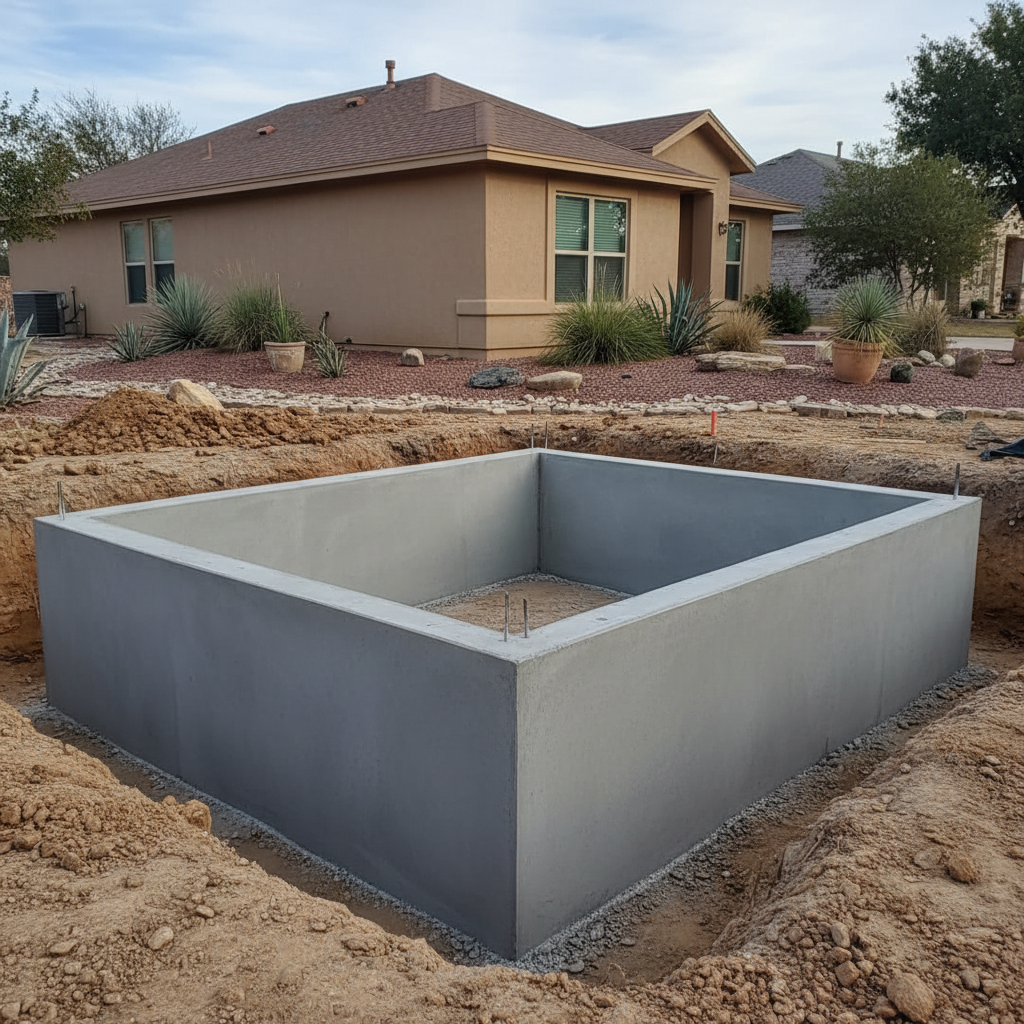
Retaining walls hold back grade changes and keep soil off a foundation, and we build them with poured concrete or block depending on the height and what's behind them. Drainage matters more than people think, so we put in weep holes or a drain pipe behind the wall before backfilling.

Concrete Pool Decks

Pool decks need a non-slip finish and enough slope to drain, since standing water around a pool is how people slip. We also leave isolation joints around the pool coping so the deck and the pool shell can move independently without cracking each other.

How It Works

Four steps, and no surprises in any of them.

01

We come and look

You tell us what you want doing, we look at what is actually there, and we ask the awkward questions early.

02

You get a price

In writing, itemised, free. If something might add cost later we flag it now rather than at the end.

03

We do the work

Same crew throughout. We cover your floors, keep the dust down and tidy up before we leave each day.

04

We walk it with you

You point out anything you are not happy with and we fix it before the invoice, not after.

Where We Work

All of this, across Mesquite, TX

Here's where our concrete crews regularly work outside of Mesquite.

Mesquite, TX
Dallas, TX
Garland, TX
Irving, TX
Grand Prairie, TX
Richardson, TX
Rowlett, TX
Forney, TX
Terrell, TX
Balch Springs, TX
Sunnyvale, TX
Sachse, TX
Common Questions

Things worth asking

Common questions about scheduling, materials and cost once a concrete job is underway.

Do I need a permit for a new driveway or patio?
Most cities in the Mesquite area require a permit for new driveways, slabs over a certain size, or any concrete work that changes drainage or sits near a property line. Pulling the permit and scheduling the inspection is usually handled as part of the job rather than left for the homeowner to sort out.
How long does a typical concrete job take?
A standard driveway or patio pour takes one to two days for forming and pouring, then another five to seven days of curing before vehicles or heavy furniture go on it. Larger jobs with more flatwork or decorative finishes can run a week or more from start to final cure.
Can you work within a set budget?
Budget affects thickness, reinforcement type and finish, so a quote can be adjusted by using mesh instead of rebar on light-duty areas or a broom finish instead of stamped concrete. The trade-off between cost and long-term durability gets explained upfront so the choice is an informed one, not a surprise later.
Do you guarantee the work?
Workmanship on new pours is typically guaranteed against cracking caused by improper installation for a set period after completion. Cracking caused by ground movement, tree roots, or damage after the fact isn't something any concrete contractor can warranty against.
Who do I deal with once the job is underway?
One point of contact handles scheduling and questions during the job, rather than switching between different crew members each day. That person is also who walks the finished job with you at the end.
Do I need to be home during the work?
Being home isn't required once the job is scheduled, though access to water and the work area needs to stay clear for the crew. Most homeowners come by to check in on pour day and at the final walkthrough.
What materials do you use?
Standard flatwork uses a 3000 to 4000 psi concrete mix with rebar or fiber mesh depending on the load it needs to carry. Stamped or colored concrete adds a color hardener and release agent during the finish, and sealer goes on after curing to protect the surface.
What should I do to prepare the site before work starts?
Clearing the area of vehicles, furniture, and anything planted near the pour site makes a big difference in how fast forming can start. Sprinkler lines and buried utilities in the work area should be flagged or pointed out ahead of time so they don't get cut during excavation.
What happens if something unexpected turns up once digging starts?
Soft soil, old buried debris, or a sprinkler line in the wrong spot sometimes shows up once excavation begins, and that gets flagged before pouring continues. Any extra cost from an unexpected issue is explained and approved before the work proceeds, not added to the final bill as a surprise.
How do I take care of new concrete after it's poured?
New concrete should stay off-limits to vehicles for about seven days and foot traffic for at least 24 to 48 hours, longer in cold weather. Sealing every few years and keeping deicing salts off the surface in winter both go a long way toward preventing surface scaling.

Not sure what you need?

Describe the problem and we will tell you what it probably is. No obligation.
Call (469) 747-1604